CHELBESA MAGARRISSA
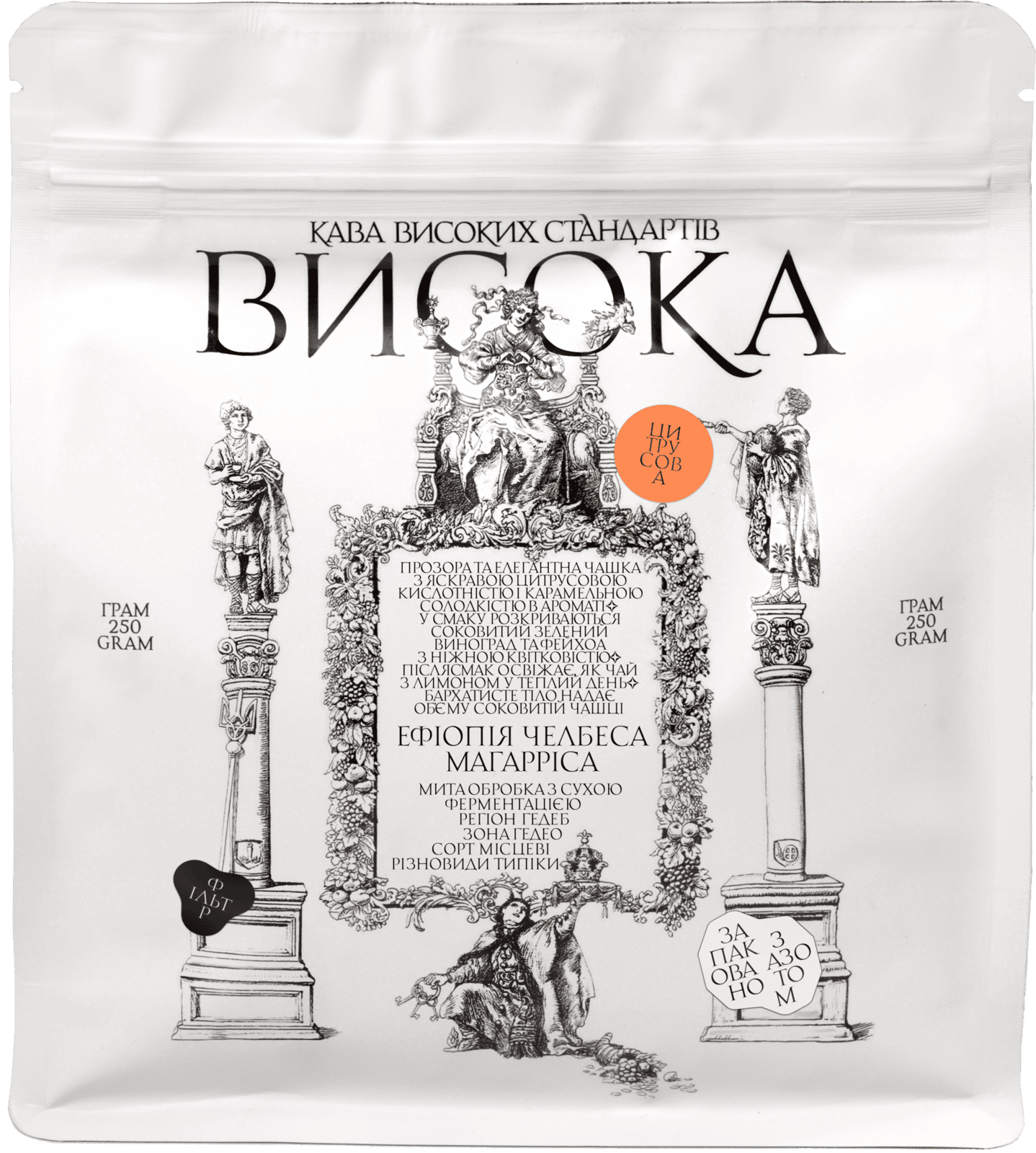



CHELBESA MAGARRISSA
Origin:
Ethiopia
Region:
Gedeb,
Gedeo Zone
Processing Station:
Chelbesa
Variety:
Ethiopian Heirloom
Process:
Washed
Acidity:
7 out of 10
Density:
5 out of 10
Roasting Profile:
Filter

Continent:
Africa
10% WELCOME DISCOUNT ON YOUR FIRST COFFEE ORDER
ACCESSORIES ARE NOT INCLUDED IN THE PROMOTIONFREE DELIVERY ACROSS UKRAINE FOR ANY ORDER THAT INCLUDES AT LEAST TWO BAGS OF COFFEE, PROVIDED THE ORDER IS PAID ONLINE ON THE WEBSITE.
MORE DETAILS5%–20% LOYALTY DISCOUNTS FOR RETURNING CUSTOMERS
LOYALTY SYSTEMFULL INFORMATION ABOUT COFFEE
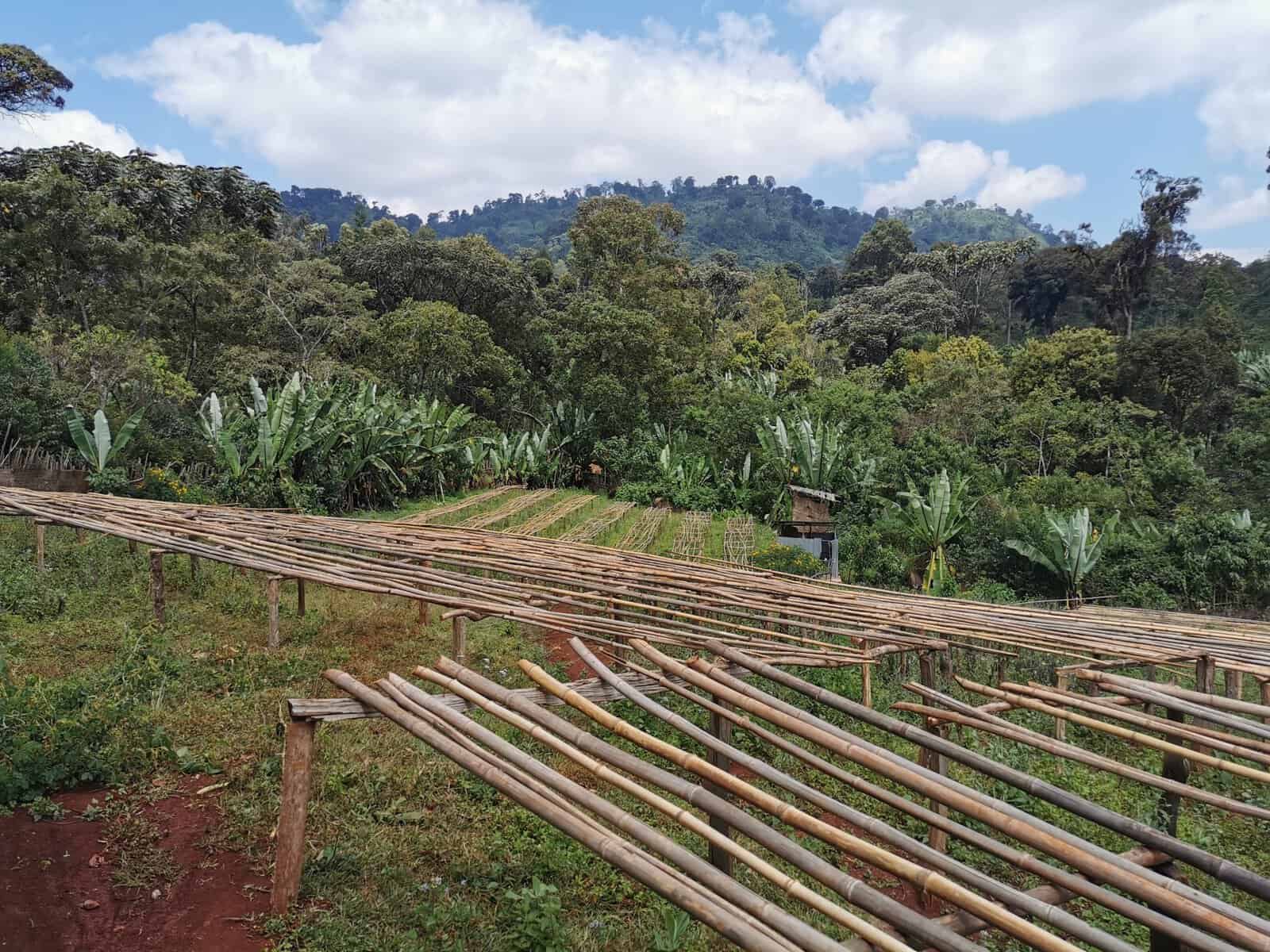
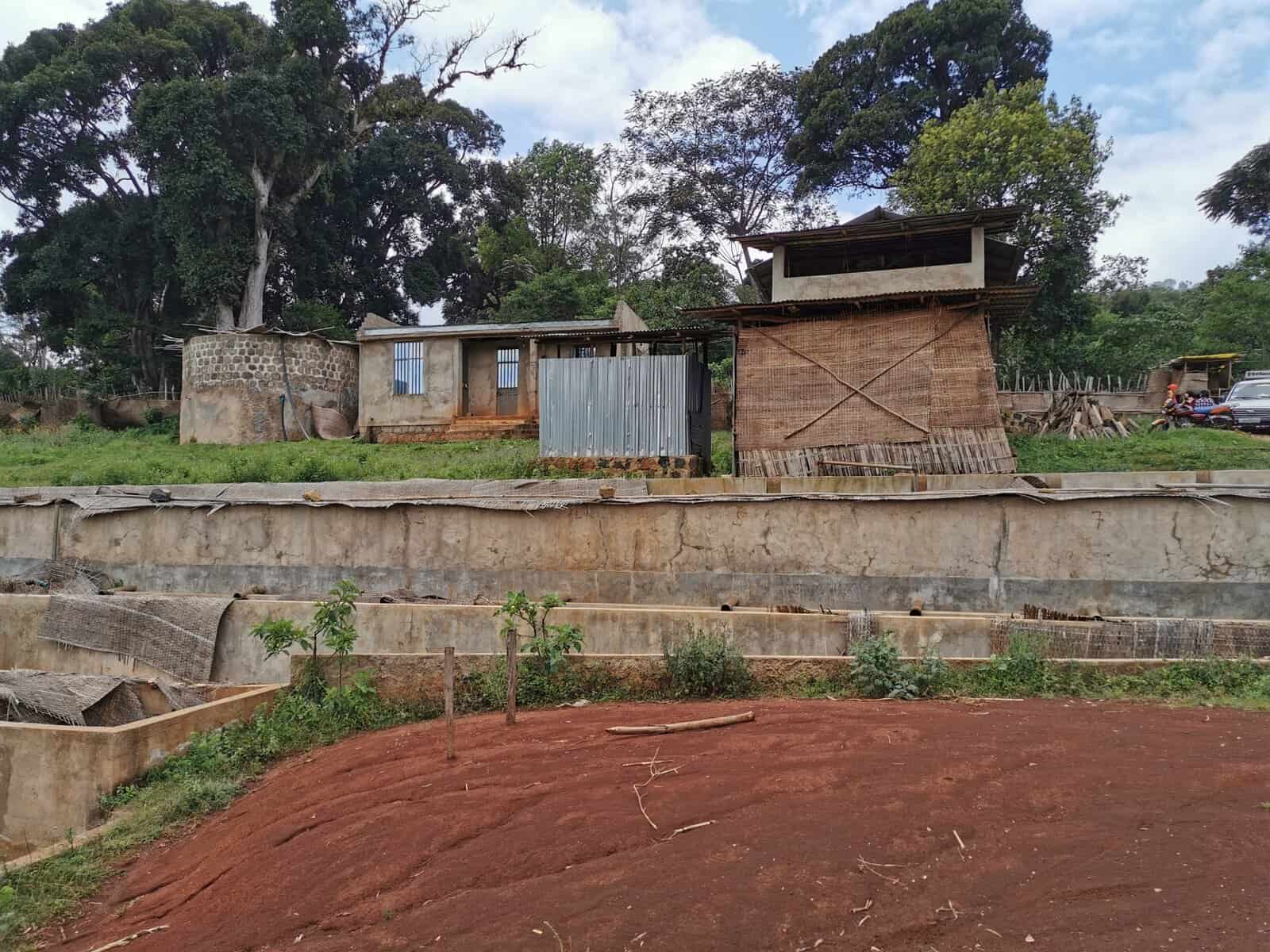
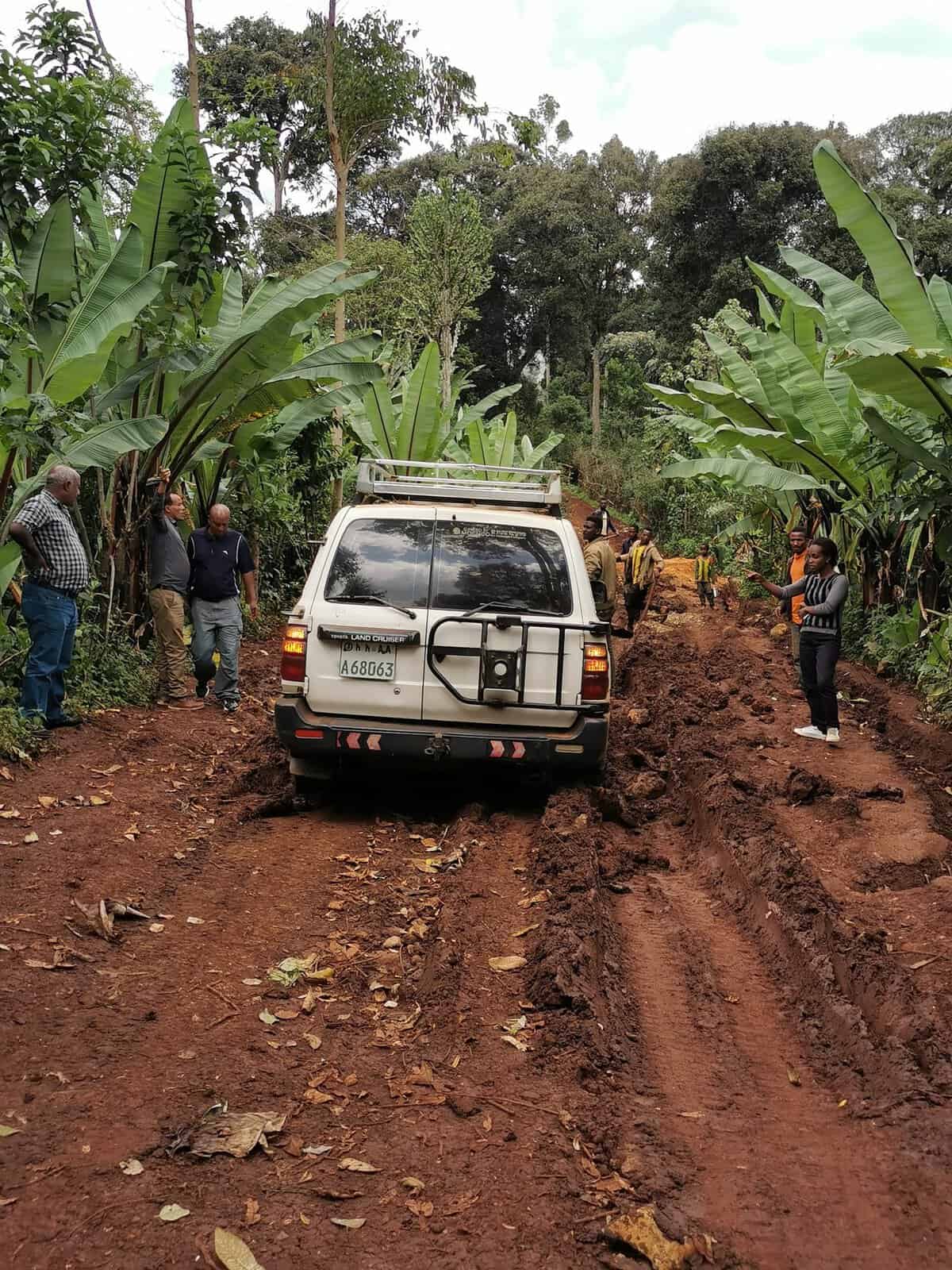
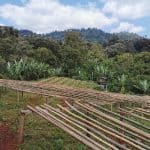
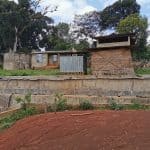
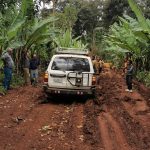
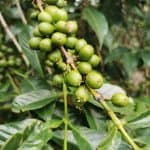
Special terroir with a distinctive fermentation approach from Negusse Debela
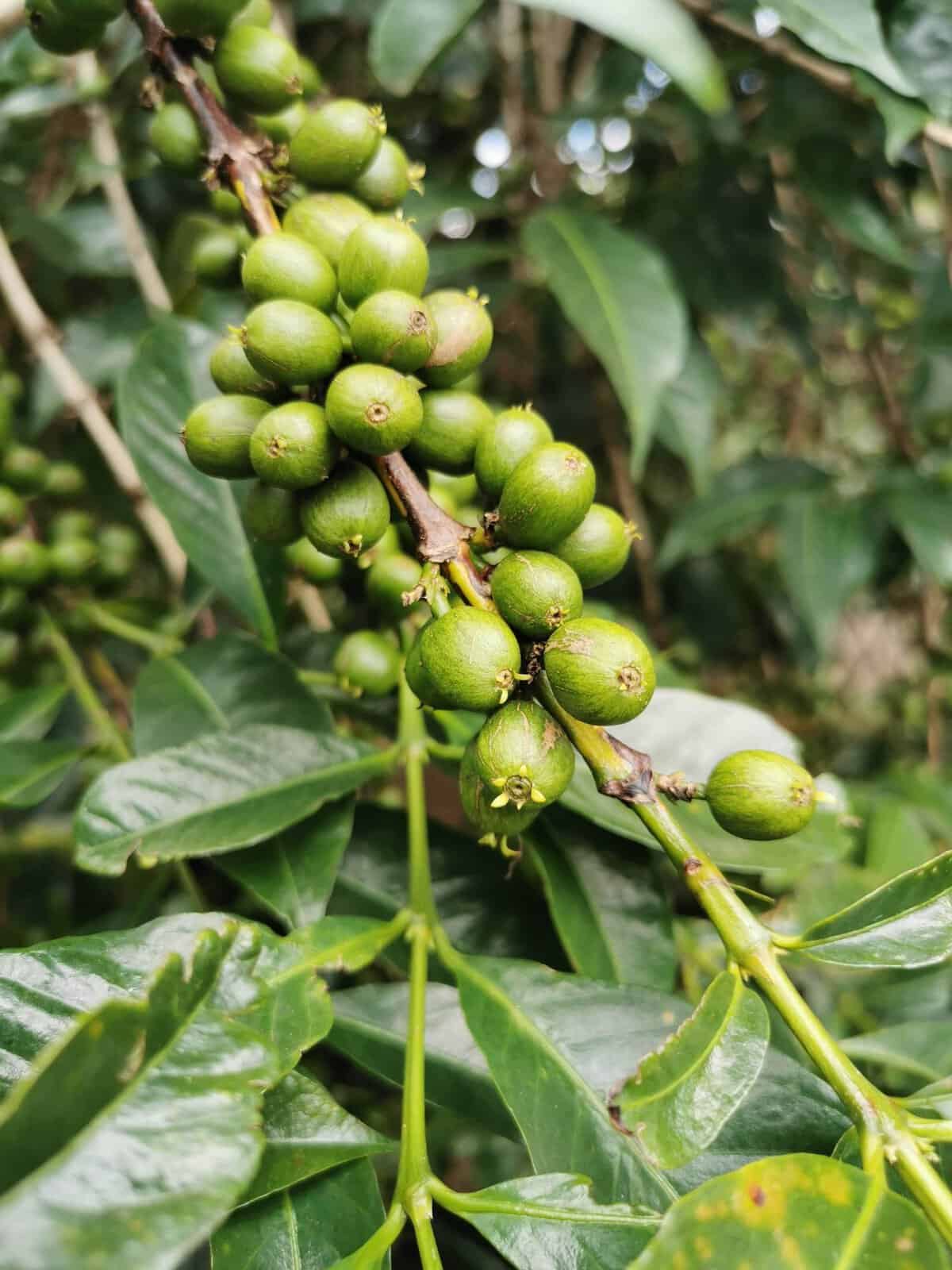
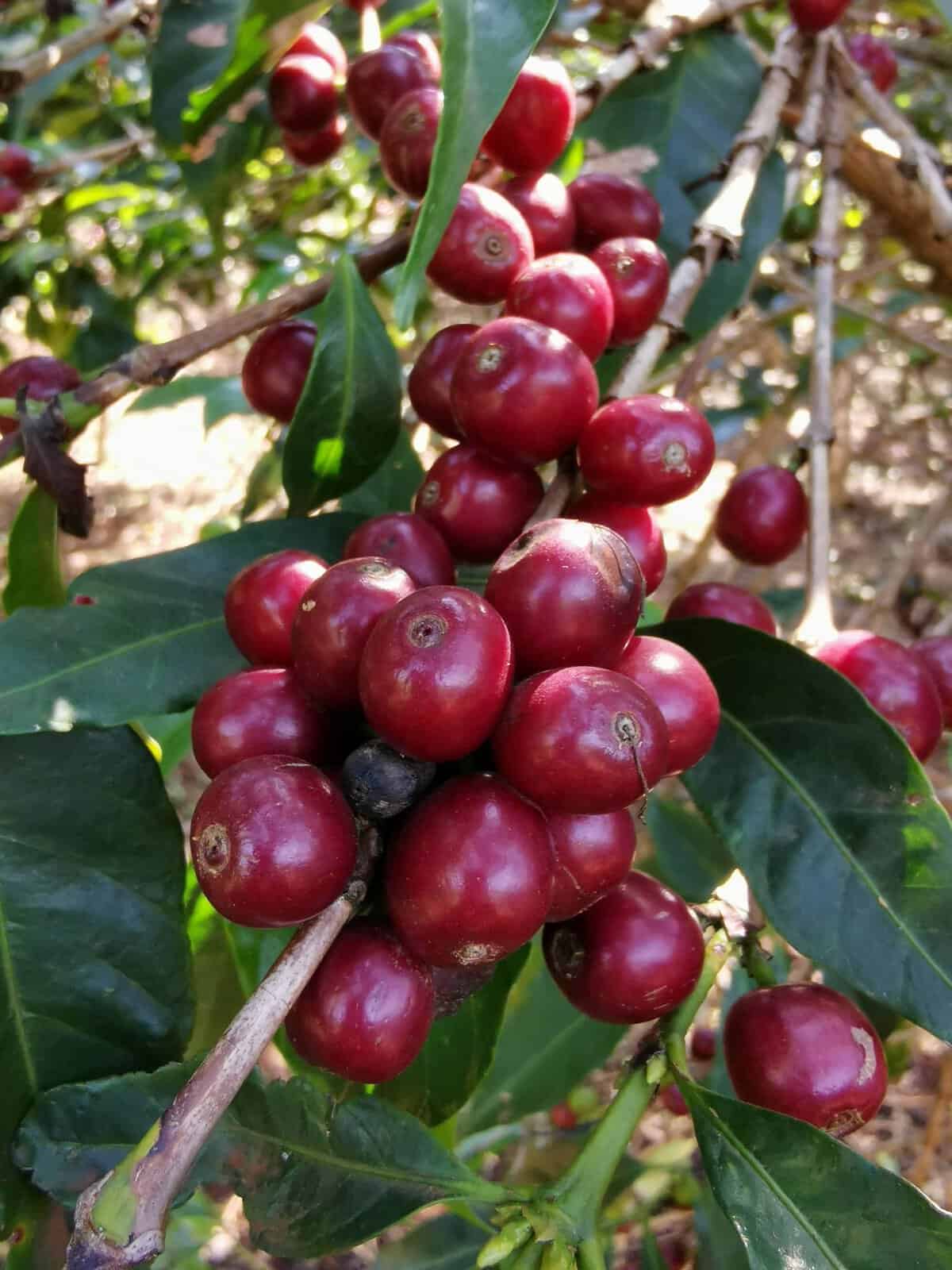
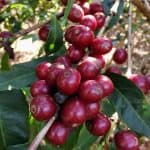
Worka Chelbesa is one of the most renowned coffee kebeles (communities) in the Gedeb woreda, located in the Gedeo zone in southern Ethiopia. This area, often considered part of the broader Yirgacheffe region, is known for its dense semi-forest vegetation: coffee trees grow in the shade of so-called “false bananas” and other tall trees, forming an ideal terroir for cultivating exceptional coffee.
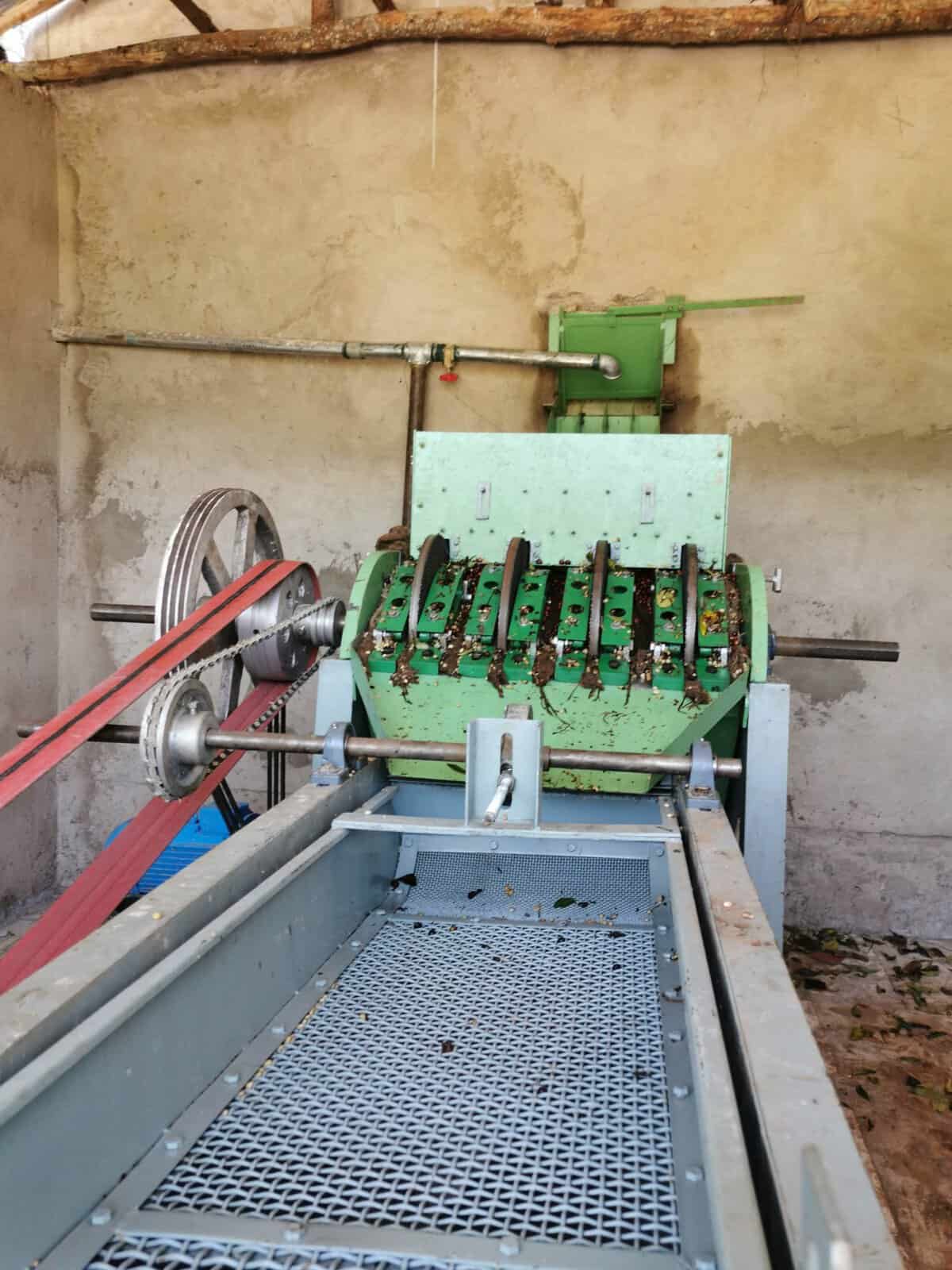
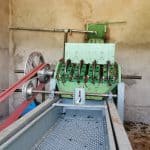
In 2019, SNAP Coffee, founded by Negusse Debela, built a new washing station in the small village of Danche within the Chelbesa village area. The goal was to source exclusively ripe coffee cherries from local farmers. The station’s fermentation tanks are made of ceramic, which helps maintain temperature, accelerates fermentation, and contributes to the coffee’s clarity and cleanliness in the cup.
“Maharrissa” means “green color” in the Oromo language — a name that aptly captures the character of this lush, shaded land. The lot is composed of cherries collected from approximately 495 smallholder farmers in the surrounding area, each cultivating between 2 and 3 hectares of land. The soils here are predominantly red-brown — a particularly fertile type, rich in iron and highly acidic, which makes the cup of coffee remarkably expressive.
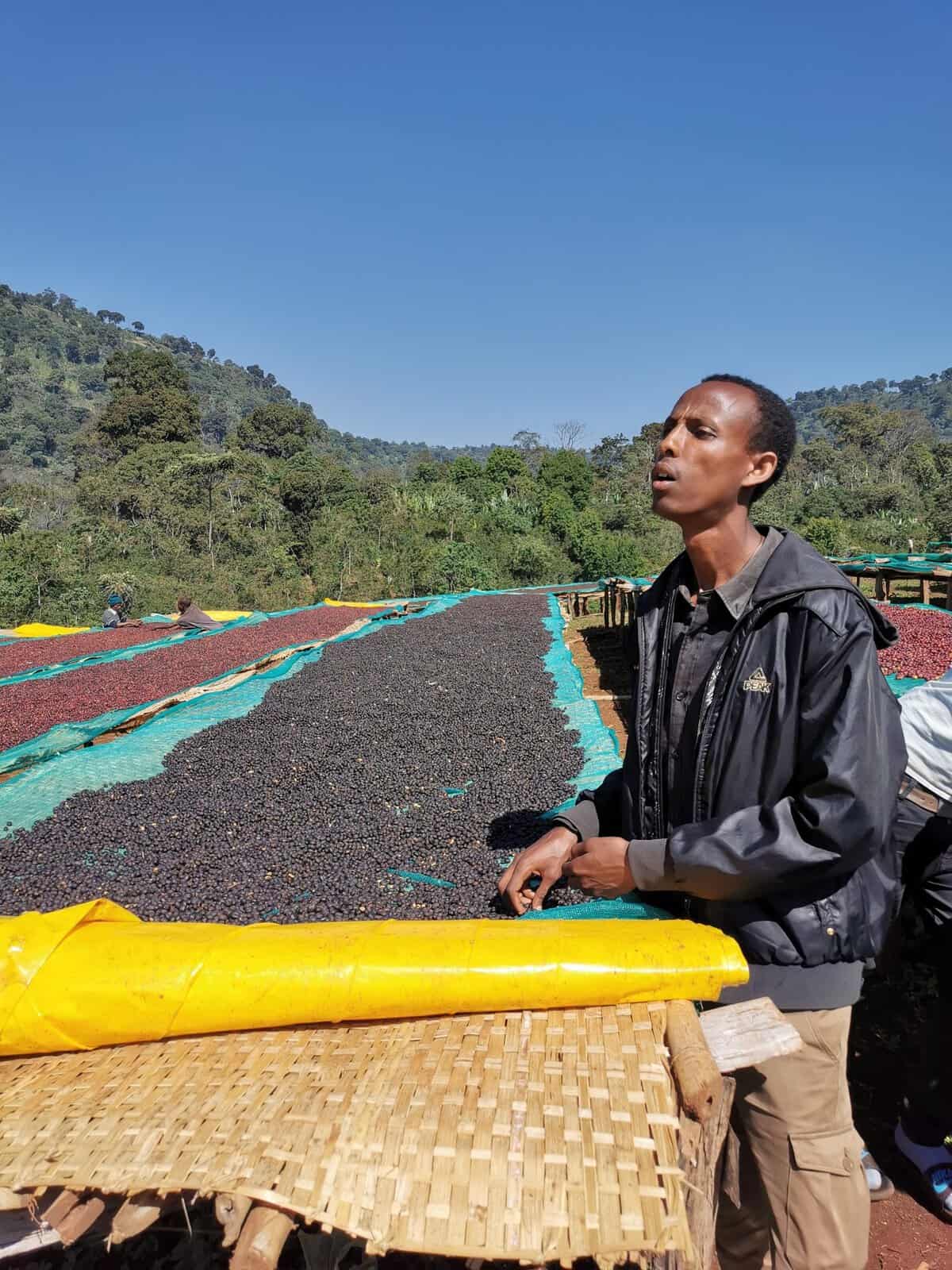
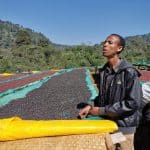
After harvesting, the cherries are delivered to the station, where they are sorted in flotation tanks to separate unripe and damaged fruit. The coffee is then depulped and left for dry fermentation in ceramic tanks for 2–3 days. Afterward, the parchment is thoroughly washed with clean water and spread on African beds to dry for 7–10 days. The washed process allows the terroir of the bean to express itself fully, highlighting its florality, clarity, and delicate acidity.
AROMA
citrus, caramel, green apple
FLAVOUR
citrus, green grape, feijoa, florals
AFTERTASTE
juicy, lemon, tea-like
BODY
velvety
RECENTLY VIEWED PRODUCTS

Roasting 5 days a week — you always get fresh beans

Dense foil packaging with nitrogen — coffee stays fresh for longer

Coffee undergoes photo-separation of defective beans

Lots divided into five flavor profiles for easy selection

Selection, roasting, and quality control by a certified Q-grader and SCA professionals

Unique descriptions for all lots in the assortment